Japanese Knotweed: The Invasive Plant That Won't Quit
Japanese Knotweed: The Invasive Plant That Won't Quit
Japanese knotweed is a fast-growing, invasive plant that can cause significant damage to property and the environment. It is native to East Asia, but was introduced to Europe and North America in the 19th century as an ornamental plant. However, it quickly escaped cultivation and has now become one of the most widespread and destructive invasive plants in the world.
What is Japanese knotweed?
Japanese knotweed is a tall, bamboo-like plant with hollow stems that can grow up to 10 feet tall. It has heart-shaped leaves and produces clusters of small, white flowers in the summer. The plant is known for its rapid growth rate, and it can spread by both its roots and its stems.
Why is Japanese knotweed so invasive?
There are a number of factors that contribute to the invasiveness of Japanese knotweed. First, the plant has a very deep and extensive root system that can spread for many feet underground. This makes it difficult to eradicate, even if the above-ground growth is removed.
Second, Japanese knotweed is very tolerant of a wide range of environmental conditions. It can grow in a variety of soils, and it is even able to survive flooding and drought. This makes it difficult to control, as it can simply move to a new location if its current habitat becomes unsuitable.
Third, Japanese knotweed is a very aggressive plant. It can outcompete native plants for resources, and it can even damage infrastructure. For example, the plant's roots have been known to crack concrete and foundations.
The impact of Japanese knotweed
Japanese knotweed can have a significant impact on property values, as well as the environment. The plant can damage buildings, roads, and bridges. It can also crowd out native plants, which can disrupt ecosystems. In addition, Japanese knotweed can be a fire hazard, as its stems are hollow and can easily catch fire.
How to control Japanese knotweed
Controlling Japanese knotweed is a challenging task, but it is possible. There are a number of methods that can be used, including:
- Mechanical removal: This involves cutting the plant down to the ground and removing the roots. However, this method is often not effective, as the roots can regrow.
- Chemical treatment: This involves using herbicides to kill the plant. However, herbicides can be harmful to the environment, and they may not be effective in all cases.
- Physical barriers: This involves using barriers, such as plastic sheeting or concrete, to prevent the plant from spreading. This method can be effective, but it can be expensive.
The future of Japanese knotweed
Japanese knotweed is a serious problem, but there are a number of efforts underway to control it. In the UK, the government has introduced a new law that makes it easier to control the plant. In addition, there are a number of research projects underway to develop new methods for controlling Japanese knotweed.
While it is unlikely that Japanese knotweed will ever be eradicated, it is possible to manage the plant and reduce its impact. With continued effort, we can hope to slow the spread of this invasive species and protect our property and environment.
Japanese knotweed is an invasive plant that can be very difficult to control. It can grow up to 10 feet tall and spread rapidly, and it can damage property and infrastructure. If you think you may have Japanese knotweed on your property, it is important to get it identified and treated as soon as possible.
The Garden Wiki is a great resource for information about Japanese knotweed. The website includes articles, videos, and fact sheets about the plant, as well as information about how to identify and control it. The website also has a forum where you can ask questions and get advice from other knotweed experts.
I encourage you to visit the Garden Wiki if you want to learn more about Japanese knotweed. It is a valuable resource that can help you protect your property from this invasive plant.
FAQ of knotweed
Q: What is knotweed?
A: Knotweed is a fast-growing, invasive plant that can cause significant damage to property and infrastructure. It is native to East Asia, but was introduced to the UK in the 1800s as an ornamental plant. Knotweed can grow up to 3 meters tall and has thick, bamboo-like stems. It spreads by rhizomes, which are underground stems that can travel long distances.
Q: How do I know if I have knotweed?
A: If you see a plant with the following characteristics, it is likely knotweed:
- Thick, bamboo-like stems
- Heart-shaped leaves
- Purple-brown flowers that appear in late summer
- Rhizomes that can travel long distances
Q: How do I get rid of knotweed?
A: There is no one-size-fits-all solution for getting rid of knotweed. The best way to control knotweed will depend on the severity of the infestation and the location of the plant. Some common methods for controlling knotweed include:
- Physical removal: This involves digging up the plant and its rhizomes. This is the most effective method, but it can be difficult and time-consuming.
- Chemical treatment: This involves using herbicides to kill the plant. There are a number of different herbicides that can be used to control knotweed, but it is important to choose one that is labeled for use on knotweed.
- Biological control: This involves introducing insects or other organisms that feed on knotweed. This is a newer method for controlling knotweed, but it is showing promise.
Q: How long does it take to get rid of knotweed?
A: The amount of time it takes to get rid of knotweed will vary depending on the severity of the infestation and the method of control used. However, it is important to be patient, as it can take several years to completely eradicate knotweed.
Q: What are the legal implications of knotweed?
A: Knotweed is classified as a controlled waste in the UK. This means that it is illegal to dump knotweed on land without a permit. If you have knotweed on your property, you are responsible for controlling it. If you fail to control knotweed, you could be liable for damage caused by the plant.
Image of knotweed
- Japanese knotweed: This is the most common type of knotweed. It has bamboo-like stems that can grow up to 10 feet tall.
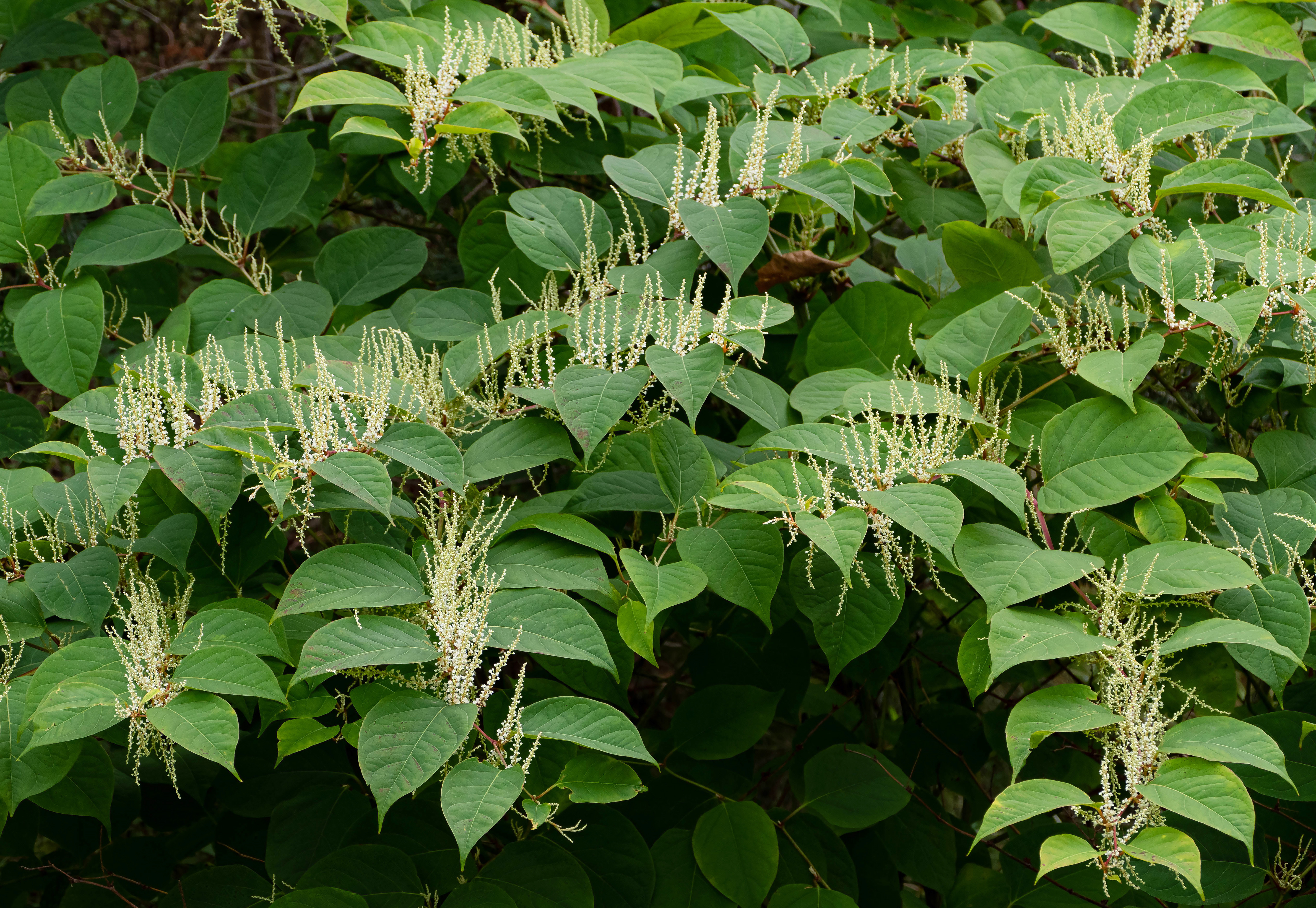
- Giant knotweed: This type of knotweed is even larger than Japanese knotweed, with stems that can grow up to 20 feet tall.
- Himalayan knotweed: This type of knotweed is native to the Himalayas. It has smaller stems than Japanese knotweed, but it is still a very invasive plant.
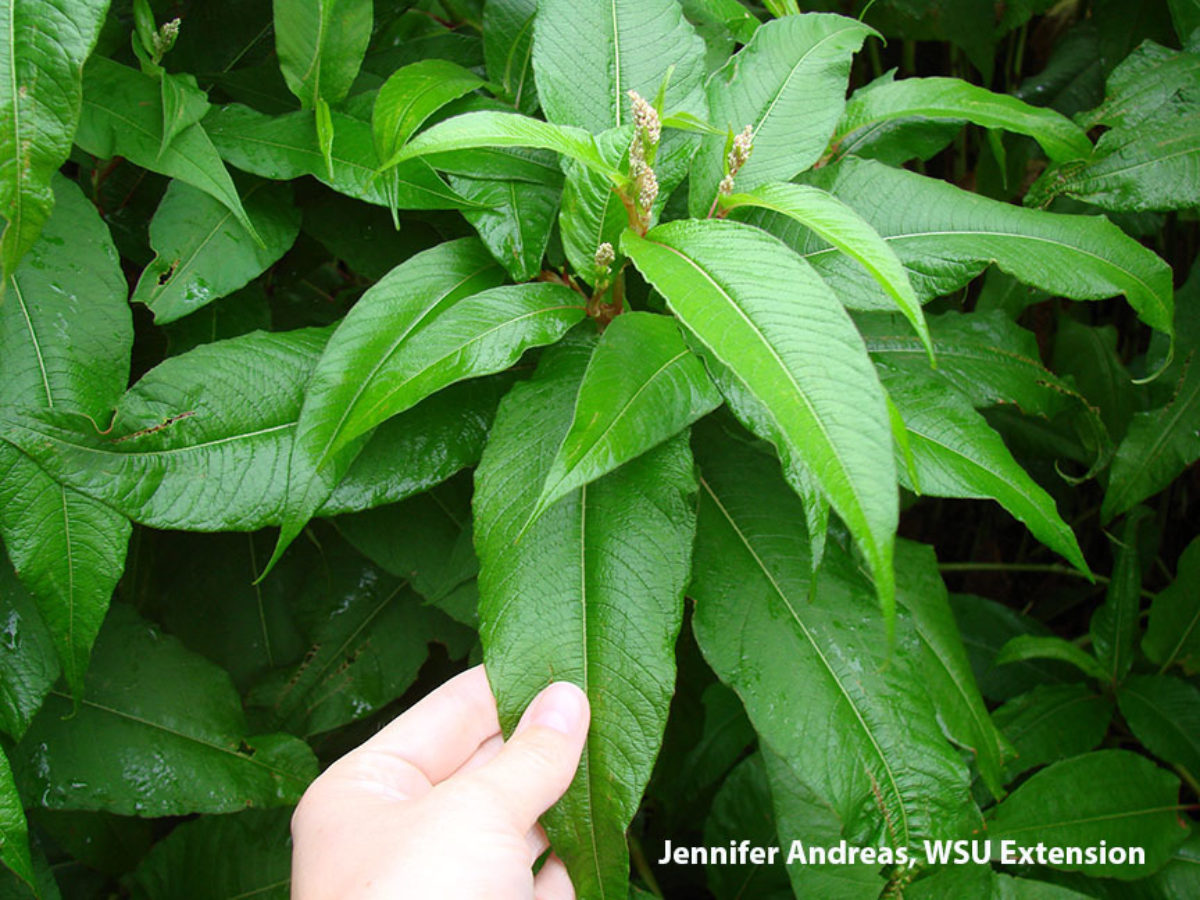
- Dwarf Japanese knotweed: This type of knotweed is a smaller version of Japanese knotweed. It is still an invasive plant, but it is not as widespread as other types of knotweed.
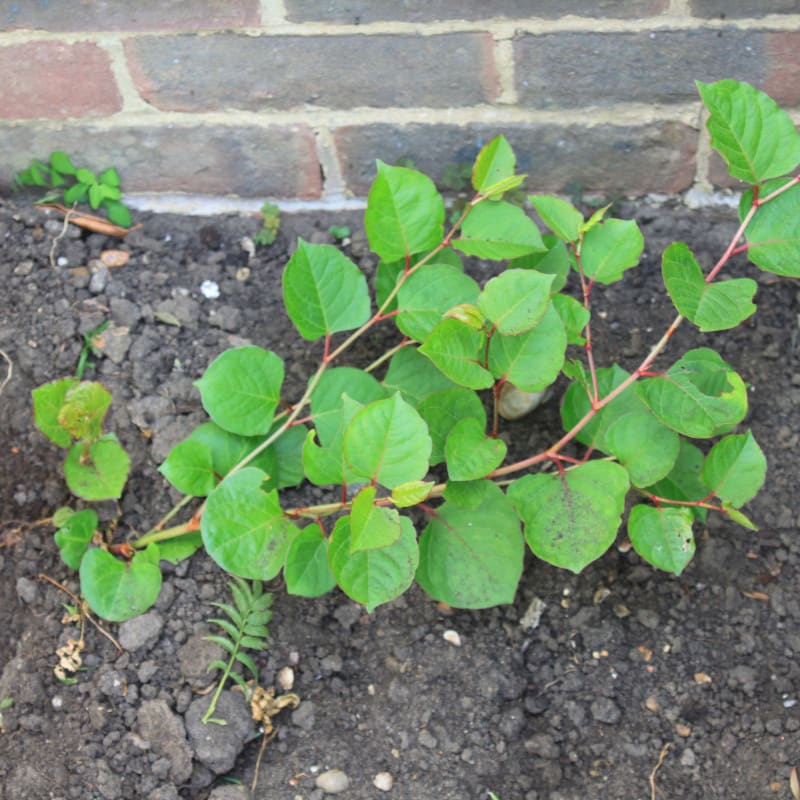
- Black knotweed: This type of knotweed is native to North America. It has black stems that can grow up to 6 feet tall.
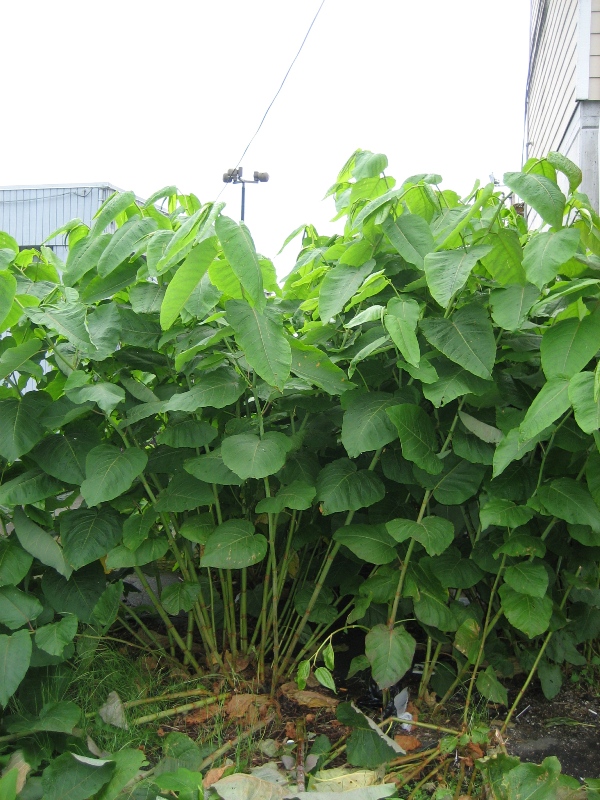


Post a Comment for "Japanese Knotweed: The Invasive Plant That Won't Quit"