Lavender: The Perfect Companion Plant For Vegetables
Lavender: The Perfect Companion Plant for Vegetables
Lavender is a beautiful and fragrant herb that is often used in gardens and bouquets. But did you know that lavender can also be a beneficial companion plant for vegetables?
In this blog post, we will discuss the benefits of planting lavender with vegetables, as well as some specific companion planting combinations that you can try in your own garden.
Why Plant Lavender with Vegetables?
There are several reasons why planting lavender with vegetables can be beneficial.
- Lavender repels pests. The strong scent of lavender can deter a variety of pests, including cabbage moths, tomato hornworms, and aphids. This can help to protect your vegetables from damage and improve your harvest.
- Lavender attracts pollinators. Lavender is a magnet for bees, butterflies, and other pollinators. These beneficial insects help to pollinate your vegetables, which can lead to a larger and healthier harvest.
- Lavender improves soil quality. Lavender is a nitrogen-fixing plant, which means that it can help to improve the nitrogen content of your soil. This can benefit all of the plants in your garden, including your vegetables.
Specific Companion Planting Combinations
There are many different companion planting combinations that you can try with lavender. Here are a few of our favorites:
- Lavender and tomatoes. Lavender and tomatoes are a classic companion planting combination. The strong scent of lavender can help to deter pests that target tomatoes, such as whiteflies and spider mites. Additionally, lavender can attract bees, which help to pollinate tomatoes.
- Lavender and cabbage. Lavender and cabbage are another great companion planting combination. The strong scent of lavender can help to deter cabbage moths, which are a common pest of cabbage plants. Additionally, lavender can attract bees, which help to pollinate cabbage.
- Lavender and beans. Lavender and beans are a good companion planting combination because they have different water needs. Lavender prefers drier soil, while beans prefer moist soil. This means that you can plant them together without having to worry about overwatering or underwatering either plant.
How to Plant Lavender with Vegetables
When planting lavender with vegetables, there are a few things to keep in mind.
- Choose the right location. Lavender needs full sun and well-drained soil. Choose a location for your lavender that meets these requirements and is also close to your vegetable garden.
- Space the plants correctly. Lavender plants need plenty of space to grow. Space them 12 to 18 inches apart.
- Water the plants regularly. Lavender is drought-tolerant, but it does need to be watered regularly during the first year after planting.
Conclusion
Lavender is a beautiful and beneficial herb that can be a great addition to any vegetable garden. By planting lavender with vegetables, you can help to deter pests, attract pollinators, and improve soil quality.
If you are looking for a way to improve your vegetable garden, consider planting lavender. You won't be disappointed!
FAQ of lavender companion vegetable plants
1. What are the benefits of companion planting lavender with vegetables?
Lavender is a great companion plant for vegetables because it can help to:
- Repel pests. The strong scent of lavender can deter pests such as cabbage moths, carrot flies, and spider mites.
- Attract pollinators. Lavender is a magnet for bees, butterflies, and other pollinators, which can help to improve the pollination of your vegetable plants.
- Improve soil quality. Lavender can help to improve the drainage and aeration of soil, which can benefit the growth of your vegetables.
- Improve flavor. The presence of lavender can actually improve the flavor of some vegetables, such as tomatoes and carrots.
2. What vegetables grow best with lavender?
Some of the best vegetables to grow with lavender include:
- Chamomile. Chamomile is a good companion for lavender because it helps to repel pests and improve soil quality.
- Lettuce. Lettuce benefits from the presence of lavender because it helps to improve the flavor of the lettuce.
- Brassicas (such as broccoli, cabbage, and cauliflower). Brassicas benefit from the presence of lavender because it helps to repel pests and improve soil quality.
- Onions. Onions benefit from the presence of lavender because it helps to repel pests and improve soil quality.
- Tomatoes. Tomatoes benefit from the presence of lavender because it helps to improve the flavor of the tomatoes and attract pollinators.
3. What are some other good companion plants for lavender?
In addition to the vegetables listed above, some other good companion plants for lavender include:
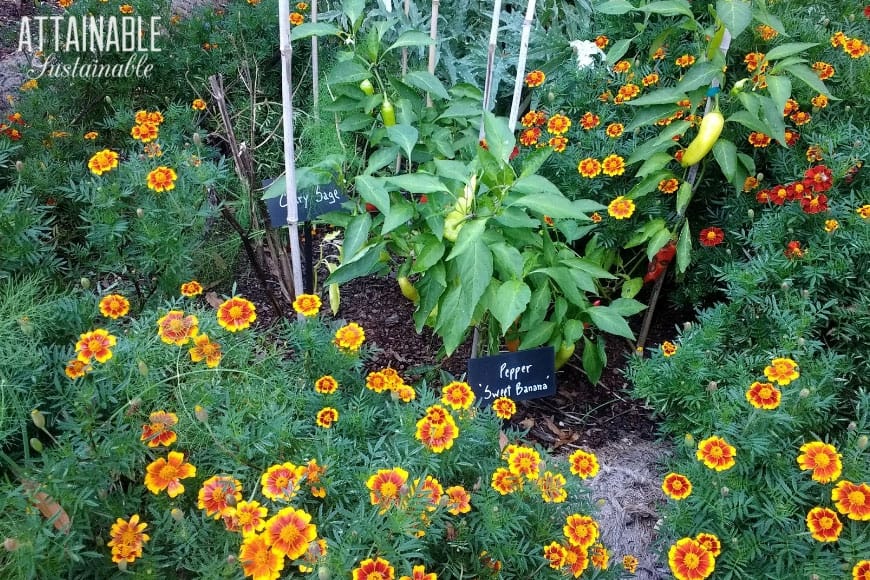
- Marigolds. Marigolds help to repel pests and attract pollinators.
- Rosemary. Rosemary helps to improve the flavor of lavender and repel pests.
- Basil. Basil helps to improve the flavor of lavender and attract pollinators.
- Lemon balm. Lemon balm helps to repel pests and improve the flavor of lavender.
- Sage. Sage helps to improve the flavor of lavender and repel pests.
4. How far apart should lavender and vegetables be planted?
Lavender and vegetables should be planted about 18 inches apart. This will give the plants enough space to grow and thrive.
5. What are some common mistakes to avoid when companion planting lavender with vegetables?
Some common mistakes to avoid when companion planting lavender with vegetables include:
- Planting lavender too close to other plants. Lavender needs full sun to thrive, so it should not be planted too close to other plants that will shade it.
- Planting lavender in poor soil. Lavender prefers well-drained, sandy soil. If the soil is too heavy, it will not drain well and the lavender will not be able to thrive.
- Not watering lavender enough. Lavender needs regular watering, especially during hot, dry weather. If it is not watered enough, the lavender will wilt and die.
Image of lavender companion vegetable plants
- Tomatoes: Lavender is a great companion plant for tomatoes because it helps to deter pests, such as aphids and whiteflies. It also helps to improve the flavor of tomatoes.

- Beans: Lavender and beans are both nitrogen-fixing plants, which means they help to improve the soil quality. They also attract beneficial insects, such as ladybugs and hoverflies.
- Carrots: Lavender helps to repel carrot flies, which are a common pest of carrots. It also helps to improve the flavor of carrots.
- Cucumbers: Lavender helps to repel cucumber beetles, which are another common pest of cucumbers. It also helps to improve the flavor of cucumbers.
- Peas: Lavender helps to attract pollinators, such as bees and butterflies, which are essential for pollination of peas. It also helps to improve the flavor of peas.

Post a Comment for "Lavender: The Perfect Companion Plant For Vegetables"